



Supporting staff wellbeing and managing stress effectively
Stress Awareness Month April 2025 is a crucial time to focus on the importance of managing stress in the workplace. In today’s fast-paced, ever-evolving work environment, stress is an inevitable part of professional life. However, when unmanaged, workplace stress can negatively impact employee wellbeing, productivity and employee retention. As business leaders, it’s essential to foster a supportive environment where employees feel empowered to manage stress effectively.
Let’s dive into how we can create a healthier work environment, both during Stress Awareness Month and beyond.
Understanding stress in the workplace
Stress is the body’s natural response to pressure. While some level of stress can be motivating, excessive or prolonged stress can be harmful to both employees and the business. In the workplace, stress often manifests as physical symptoms like headaches, fatigue, and sleep disturbances or emotional signs like irritability, anxiety, and burnout.
Common stressors in the workplace include:
- Heavy workloads: Excessive tasks or tight deadlines can overwhelm employees.
- Job insecurity: Uncertainty about job stability can create anxiety.
- Conflict with colleagues: Poor communication and interpersonal issues can lead to workplace tension.
It’s crucial to recognise the signs of stress, both in ourselves and in others. Identifying stress early allows us to address it before it escalates.
Common contributing factors to workplace stress
There are many factors that contribute to stress in the workplace. Some of the most common include:
- Unrealistic goals or expectations: Setting goals that are too ambitious can overwhelm employees.
- Limited control over work or decision-making: Employees need a sense of autonomy to feel empowered.
- Excessive working hours: Long hours without adequate breaks can lead to burnout.
- Inadequate support from colleagues or management: Lack of guidance or feedback can increase feelings of stress.
- Unclear job responsibilities or expectations: Ambiguity about roles or tasks leads to confusion and stress.
- Disruptions caused by organisational changes: Constant changes or uncertainty in the workplace can cause anxiety.
- Negative or toxic workplace culture: A lack of support, poor communication, or unprofessional behaviour can create a stressful environment.
- Experiences of bullying or discrimination: These harmful behaviours can significantly impact an employee’s mental health.
- Concerns related to health, safety, or financial stability: External pressures often influence stress levels in the workplace.
Recognising these stressors is the first step toward creating a healthier work environment.
Practical Tips for Managing Stress with Stress Awareness Month April 2025 in mind:
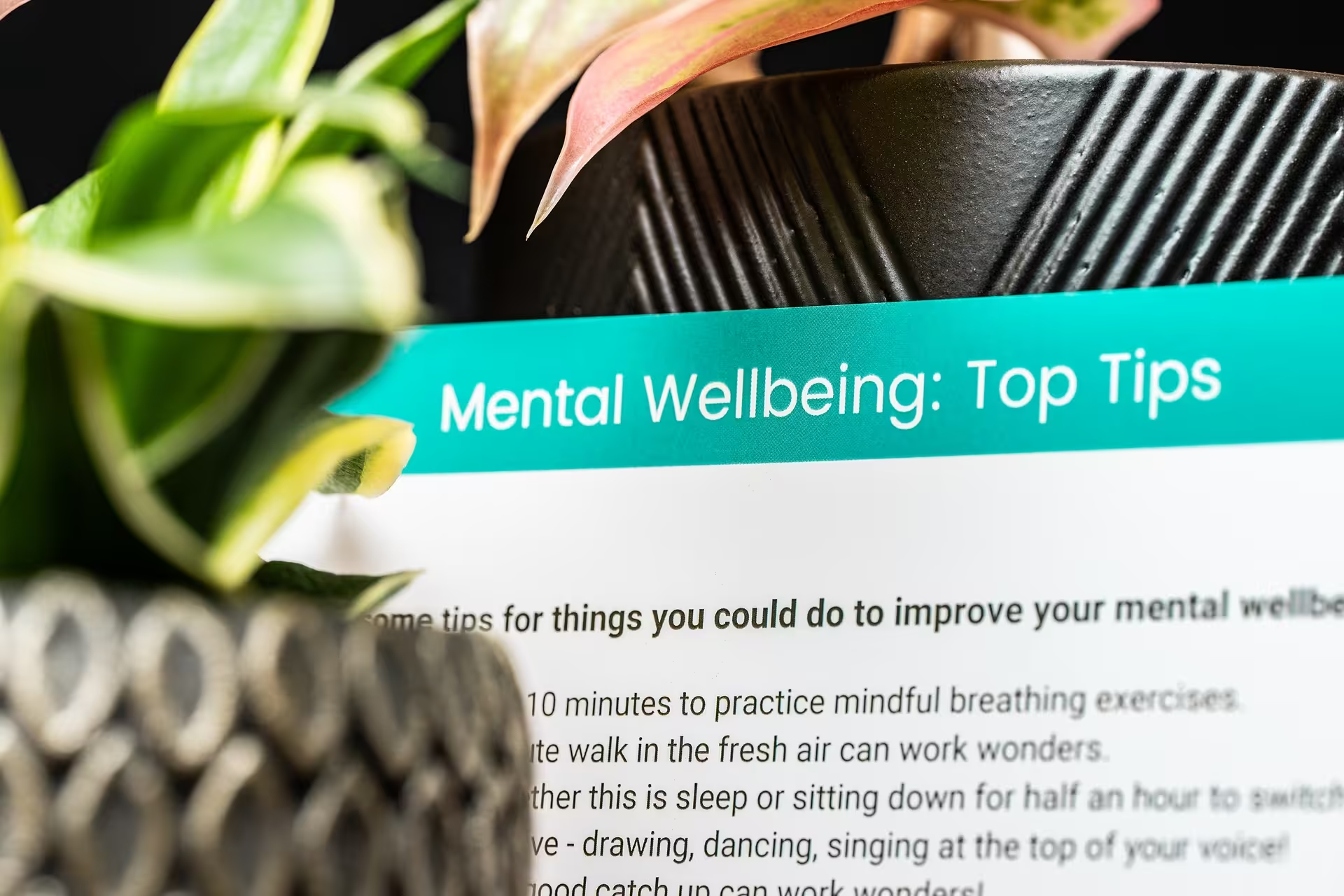
Now that we understand some of the causes of stress, here are some practical tips for managing stress and supporting staff wellbeing:
1. Encourage a Balanced Lifestyle
Promote regular breaks during the workday, encourage the use of paid leave and remind employees of the importance of prioritising sleep. A balanced lifestyle can help employees stay energized and focused.
2. Promote Healthy Habits
Encourage healthy eating, regular exercise and mindfulness practices like yoga or meditation. These habits can help employees manage stress in a positive way.
3. Emphasise Communication
Create a culture of open communication between employees and management. Make sure employees feel safe expressing their concerns and actively listen to their feedback. When employees feel heard it can help reduce stress and build trust.
4. Set Boundaries
Help employees set clear boundaries between work and personal life. Encourage them to turn off work emails after hours or set designated work hours to avoid feeling “always on.”
5. Encourage Self-Care
Encourage employees to engage in activities that promote relaxation and well-being, such as reading, spending time outdoors, or pursuing hobbies. These activities can be an important outlet for managing stress.
Why taking regular tech breaks is great for your team?
In today’s digital world, employees are constantly connected through devices, making it even more important to take regular tech breaks. Prolonged screen time can lead to fatigue, decreased focus and burnout, all of which negatively affect employee performance and morale.
By encouraging employees to take tech breaks, you can help them recharge mentally, improve concentration, and return to their tasks with a fresh perspective. These breaks also allow employees to engage in social interactions, physical movement, or mindfulness activities, all key ingredients for maintaining overall wellbeing.
HR Resources and Support beyond Stress Awareness Month April 2025
As part of your commitment to supporting employee wellbeing, it’s essential to highlight the resources available to your team. Many businesses offer Employee Assistance Programmes (EAPs), mental health helplines, and wellness programs. These resources are valuable tools that provide employees with the support they need during stressful times.
Be sure to also mention any internal HR initiatives or policies that focus on employee wellbeing. Remind employees that HR is available to support them and encourage them to reach out when they need assistance.
Many of our clients utilise our Wellbeing service, led and managed by our trained Mental Health First Aider, Claire Cross for onsite support delivered from a neutral perspective.
The Right Tech Matters
While technology can streamline processes, it can also create unnecessary stress if not properly managed. Think about the frustration of dealing with slow computers, malfunctioning software or constant notifications. These disruptions can hinder productivity and contribute to stress.
It’s important to use technology that enhances the work experience, not one that detracts from it. Late-night emails and constant Slack or Teams notifications are prime examples of tech that can increase stress. HR plays a critical role in establishing boundaries and introducing policies that reduce the pressure to be “always on”, working with decision-makers on finding the right balance for the business.
Additionally, consider implementing tech tools specifically designed to support employee wellbeing. There are many platforms available that promote mental health, stress management and a balanced work environment some of which are made available through Employee Assistance Programmes.
Stress Awareness Month April 2025, Our Conclusion
As we observe Stress Awareness Month in April 2025, it’s important to remember that prioritising employee wellbeing and managing stress is an ongoing effort. By taking proactive steps to support your team’s mental health, you’re not only improving their quality of life but also enhancing your business’s productivity and retention rates.
Let’s continue to create a supportive work culture where stress management is a priority, not just during Stress Awareness Month but all year-round.
Key Takeaways:
- Stress Awareness Month is an opportunity to assess and improve stress management practices within your workplace.
- Managing stress effectively leads to healthier, happier employees and a more productive, successful business.
- Encourage open communication, regular tech breaks, and wellness initiatives to help employees cope with stress.
Our Workplace Wellbeing service is available to businesses in Sussex, Surrey and London who are looking to promote best practice wellbeing support for their teams.