



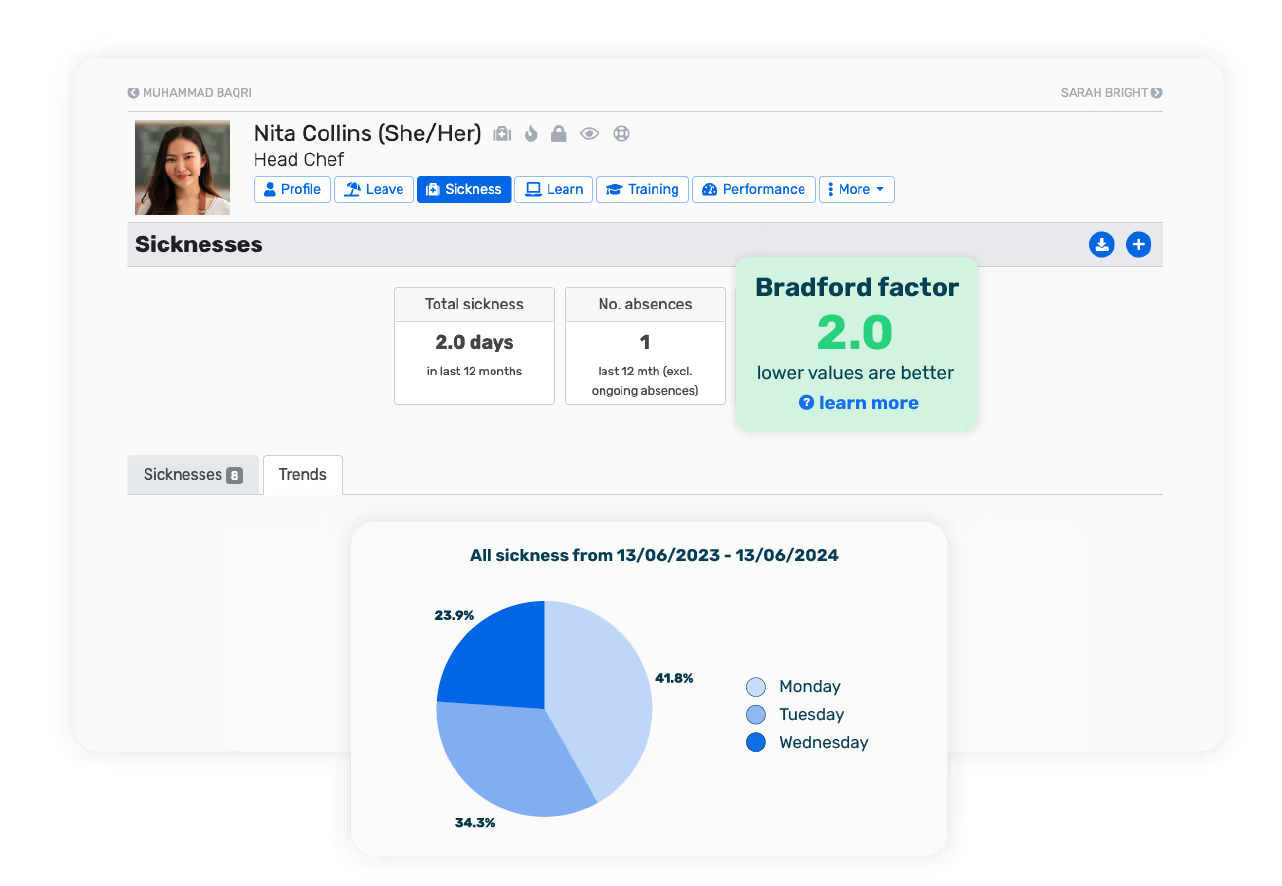
In this week’s blog post, our Business Operations Lead, Ewen Bonnyman and resident Breathe HR Software expert talks through the five best practice tips to consider when rolling out HR Software for the first time or if you are planning to migrate from another platform.
Implementing new HR Software can transform how your business manages its workforce, but getting it wrong can lead to costly delays, frustrated employees and wasted resources.
Having guided dozens of UK businesses through successful HRIS implementations, here are my five best practice tips for successful HR system implementation processes that separate smooth rollouts from problematic ones.
- Thoroughly Understand Your Business Requirements
Before evaluating any HR software, conduct a comprehensive audit of your current HR processes and future needs. Many businesses rush into demos without clearly defining what they want to achieve, leading to expensive misaligned purchases.
Start by mapping out your existing workflows. Document how you currently handle recruitment, onboarding, payroll processing, performance reviews and employee data management. Identify pain points where manual processes create bottlenecks or compliance risks.
Consider your growth trajectory. If you’re planning to expand from 10 to 20 employees or perhaps, 20 to 50 employees over the next two years, ensure your chosen system can scale accordingly. Factor in your specific business requirements and ensure that your chosen HRIS can support you whilst you grow your business.
To give yourself the best chance of a successful HR system implementation, create a requirements checklist covering essential features, nice-to-have functionality, and deal-breakers. This becomes your evaluation framework when comparing different HRIS options and prevents feature creep during the selection and project planning process.
- Secure Management Buy-In Early
HR software implementation affects every level of your organisation, making leadership support crucial for success. Without genuine buy-in from senior management, you’ll struggle to allocate necessary resources and overcome resistance to change.
Present a compelling business case highlighting specific problems your current system creates and quantifying potential improvements. For example, if manual holiday tracking currently takes your HR team 5 hours weekly, demonstrate how automation could redirect this time toward strategic initiatives like employee development.
Address common concerns proactively. Management often worries about implementation costs, disruption to daily operations, data cleansing and employee resistance. Prepare realistic timelines, budget breakdowns and risk mitigation strategies to demonstrate you’ve thought through potential challenges that could arise during the implementation process.
Involve key stakeholders in the selection process. When managers participate in software demos and contribute to requirements gathering, they become advocates rather than obstacles during implementation.
- Invest in thorough Project Planning and Preparation
Successful HRIS implementation requires meticulous planning that extends far beyond software selection. The preparation phase often determines whether your rollout finishes on time and within budget.
Develop a detailed project timeline working backwards from your desired go-live date. Factor in data migration, system configuration, testing phases and training requirements. Build in buffer time for unexpected issues, as most implementations encounter at least one significant hurdle.
Assign clear ownership for each implementation phase. Designate a dedicated project manager and champion who coordinates between your internal team and the software vendor. This person should have sufficient authority to make decisions and remove roadblocks quickly to keep the implementation process on track.
Plan your employee data cleansing and migration strategy early. Clean up existing employee records, standardise data formats, and identify information that needs manual verification. Poor data quality causes more implementation delays than technical issues.
- Book comprehensive HRIS Demos
A thorough demonstration phase prevents costly mistakes and ensures your chosen system meets real-world requirements. However, many businesses approach demos ineffectively, focusing on flashy features rather than practical functionality.
Prepare specific scenarios reflecting your actual HR challenges. Ask vendors to demonstrate how their system handles complex situations like calculating leave requests and sick pay, managing flexible working requests or perhaps rota-scheduling so your staff know where to be and when well ahead of time.
Include line managers in demonstration sessions where possible. Your HR team members who’ll use the system daily often spot usability issues that management overlooks. Their input ensures you select software that improves rather than complicates their workflows.
Reading about features differs significantly from actually using them. Spend time navigating the interface, running reports and testing mobile functionality before making final decisions. As part of our HR Consultancy services, we would work alongside you and your team to ensure that any new HRIS deployment has the best possible impact.
- Create a comprehensive Implementation Plan
Your implementation project plan transforms software selection into operational reality. This phase requires careful coordination between configuration, training, and deployment activities.
Start with system configuration that reflects your specific business processes. Don’t simply accept default settings – customise approval workflows, reporting structures, and user permissions to match how your organisation actually operates. Document key configuration decisions for future reference, or include user guides available from your HR Consultant or HRIS vendor for best practice guidance.
Develop a phased training programme targeting different user groups. If you have an HR administrator they will need sound system knowledge, while managers might only require basic approval and reporting functions. Create role-specific training materials and schedule multiple sessions to accommodate different learning styles.
Plan your deployment strategy carefully. Consider whether to implement all modules simultaneously or roll out functionality gradually. Gradual deployment reduces risk but extends the system implementation timeline. Simultaneous roll out creates more initial disruption but reaches full functionality faster.
Establish ongoing support structures before going live. Identify internal super-users who can handle basic questions and escalation procedures for complex issues. Negotiate clear support terms with your vendor covering response times and available channels.
The Value of Expert Guidance for a Successful HR System Implementation
While these best practices provide a solid foundation, every HRIS implementation presents unique challenges. Working with an experienced HR consultancy, like MJV Consulting, throughout the implementation process provides valuable expertise and objective perspective.
Our skilled consultants, along with our technical HRIS expertise, bring implementation experience across different organisations and software platforms. They can anticipate potential issues, suggest process improvements and help you avoid common pitfalls that delay projects or compromise outcomes.
Consider ongoing consultancy support beyond initial implementation. As your business evolves, your HR systems should adapt accordingly. Regular reviews ensure you’re maximising your software investment and maintaining compliance with changing regulations, while periodic data cleansing can help keep employee records clear.
Starting Your HR System Implementation Process
Successful HR system implementation requires more than selecting the right platform, it demands careful planning, stakeholder engagement, and attention to operational details. By following these five best practices, UK small businesses can avoid common implementation pitfalls and realise the full benefits of their HRIS investment.
Remember that implementation is just the beginning. The real value comes from how effectively you use your new system to streamline HR processes, improve employee experience, and support business growth. Take time to plan properly, and your HR software will become a valuable strategic asset rather than just another administrative tool.
Looking for expert guidance on your HR software implementation? Our experienced team at MJV Consulting has helped dozens of UK businesses successfully deploy Breathe HR Software that drive real operational improvements. Contact us to discuss how we can support your implementation journey.